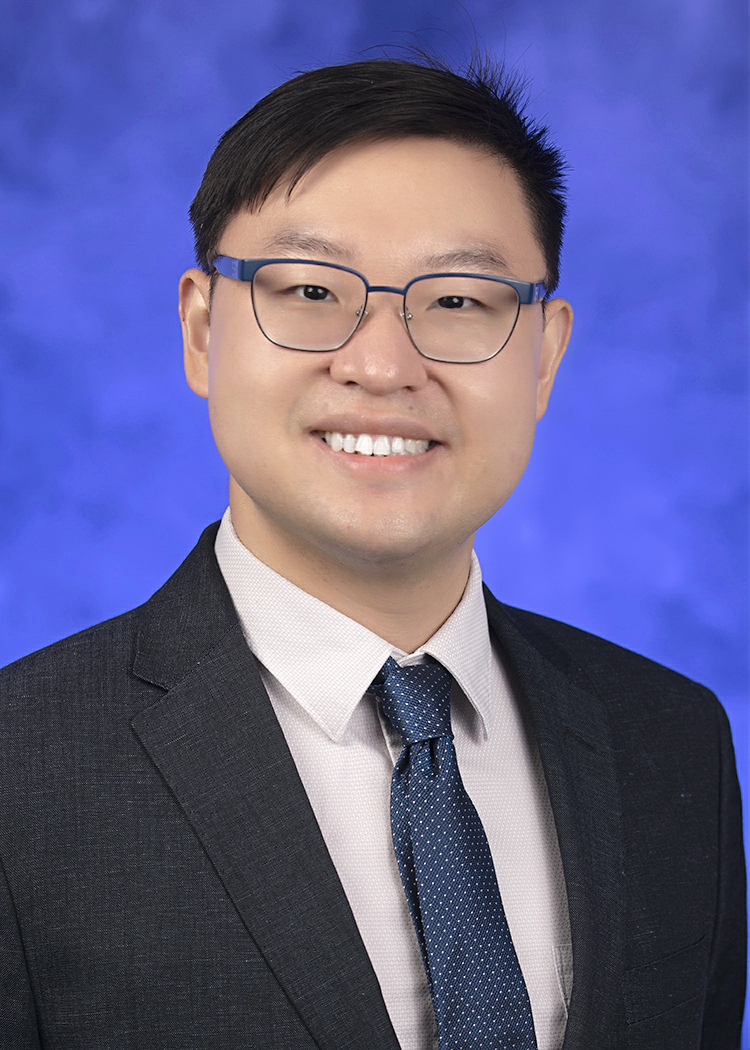
• 李云展
    招生专业:药学-生物药物发现与转化
    联系方式:liyunzhan@cpu.edu.cn
  • 个人简介
  • 研究方向
  • 科研成果
  • 科研论文
  • 科研团队
  • 个人介绍

    副研究员,硕士生导师。2019年获厦门大学生命科学学院博士学位,随后赴美国宾夕法尼亚州立大学医学院从事博士后研究(2019—2024年),并于2024年晋升为研究员(2024—2025年)。研究方向聚焦营养限制诱导的代谢重编程与器官衰老。作为核心成员主持/参与美国NIH R01基金、美国陆军部研究基金等多项课题,累计经费约900万美元。以第一作者/共同第一作者在Nature Communications、Gut、Advanced Science、Advanced Materials等国际顶级期刊发表多篇高水平论文,申请中美发明专利2项。


    研究领域

    课题组聚焦胱氨酸/半胱氨酸限制诱导的营养应激及其生物学效应。胱氨酸/半胱氨酸虽不属于人体必需氨基酸,但作为生命体关键的硫源,在结构与功能层面均不可或缺。其生物学功能主要体现在三个方面:(1)作为蛋白质合成的基本元件,其来源的巯基既参与蛋白质二级结构的形成,又为金属离子配位提供位点;(2)用于合成谷胱甘肽——维持细胞氧化还原稳态最重要的还原当量;(3)其硫原子是铁硫簇(Iron-Sulfur Cluster, Fe-S)中硫元素的唯一来源,铁硫簇作为关键辅基参与细胞呼吸、三羧酸循环、DNA复制与修复等核心生命过程中关键限速酶的催化反应。

    前期研究表明,在肿瘤、炎症、神经退行性疾病等多种病理状态下,均存在胱氨酸限制诱导的营养胁迫。值得关注的是,生物体应对胱氨酸限制的生物学应答在原核生物与真核生物(包括哺乳动物)中高度保守,提示存在一套进化上保守的胱氨酸/半胱氨酸感知与调控机制。

    围绕胱氨酸限制营养应激这一核心科学问题,课题组目前从以下方向展开研究:

    1.胱氨酸限制应激耐受机制的跨物种保守性;

    2.面向硼中子俘获治疗(BNCT)的胱氨酸类似物硼药研发;

    3.胱氨酸限制诱导的DNA修复酶选择性失活机制;

    4.靶向肿瘤代谢脆弱性的创新药物发现;

    5.胱氨酸限制与肿瘤微环境的协同演化。


    代表性成果

    专利申请与授权情况:

    [1] Y. Li, T. Zhu, Y. Yang, W. Zhao, Method for preparing high-viability single-cell suspension from pancreatic tissue by mild enzymatic digestion, CN 202610160152.0 (2026).

    [2] S. Yang, Y. Li, J. Hao, X. Wang, Z. Li, Suppression of triacylglyceride synthesis in target cells, WO 2026/177951 A1 (2026).


    代表性论文:

    [1] Y. Li*, Q. Li, M. Tan, S. Yang, Engineering bacterial biocatalysts via directed evolution to deprive cancer cells of cyst(e)*ine, The Innovation Life 4 (2026) 100189.

    [2] Y. Li*, H. Khan*, S. Demirsoy, M. Younis, G. Shi, H. Valensi, et al., Targeting MET and mTOR synergistically overcomes adaptive resistance in glioblastoma, Int. J. Mol. Sci. 27 (2026) 7780.

    [3] Z. Li*, Y. Xie*, Y. Li*, A. Diliyaer, G. Shen, M. Tan, et al., Targeting mitochondrial stress to reprogram tumoral STING signaling-mediated viral mimicry response and reverse STING agonist therapy resistance in pancreatic cancer, Gut (2026) in press.

    [4] M. Tan*, Y. Li*, L. Sang, M. Wang, Q. Li, Z. Li, et al., Coenzyme A mitigates cystine-deprivation-induced ferroptosis by suppressing the iron-starvation response, FEBS J. 293 (2026) 3288–3302.

    [5] R.R. Tanshee, Q. Li, M. Tan, Y. Li#, S. Yang#, Using stable isotope and click-chemistry probes to study fatty acid flux in cancer cells, Biophys. Rep. 12 (2026) 260018.

    [6] Y. Li*, Z. Li*, Q. Li, D. Sun, B. Ni, M. Tan, et al., Adaptation to cystine limitation stress confers a targetable lipid metabolism vulnerability in pancreatic ductal adenocarcinoma, Nat. Commun. 17 (2025) 1343.

    [7] Y.-L. Qi, Y.-Z. Li, M.-J. Tan, F.-F. Yuan, N. Murthy, Y.-T. Duan, et al., Recent advances in organic near-infrared ratiometric small-molecule fluorescent probes, Coord. Chem. Rev. 486 (2023) 215130.

    [8] X. Wang, Y. Li, Z. Li, S. Lin, H. Wang, J. Sun, et al., Mitochondrial calcium uniporter drives metastasis and confers a targetable cystine dependency in pancreatic cancer, Cancer Res. 82 (2022) 2254–2268.

    [9] S. Lin, Y. Li, D. Wang, C. Huang, D. Marino, O. Bollt, et al., Fascin promotes lung cancer growth and metastasis by enhancing glycolysis and PFKFB3 expression, Cancer Lett. 518 (2021) 230–242.

    [10] Y. Li*, Z. Liu*, L. Li*, W. Lian, Y. He, E. Khalil, et al., Tandem-mass-tag based proteomic analysis facilitates analyzing critical factors of porous silicon nanoparticles in determining their biological responses under diseased condition, Adv. Sci. 7 (2020) 2001129.

    [11] Z. Liu*, Y. Li*, W. Li*, W. Lian, M. Kemell, S. Hietala, et al., Close-loop dynamic nanohybrids on collagen-ark with in situ gelling transformation capability for biomimetic stage-specific diabetic wound healing, Mater. Horiz. 6 (2019) 385–393.

    [12] W. Li*, Y. Li*, Z. Liu*, N. Kerdsakundee, M. Zhang, F. Zhang, et al., Hierarchical structured and programmed vehicles deliver drugs locally to inflamed sites of intestine, Biomaterials 185 (2018) 322–332.

    [13] Z. Liu*, Y. Li*, W. Li*, C. Xiao, D. Liu, C. Dong, et al., Multifunctional nanohybrid based on porous silicon nanoparticles, gold nanoparticles, and acetalated dextran for liver regeneration and acute liver failure theranostics, Adv. Mater. 30 (2018) 1703393.


  • 课题组聚焦胱氨酸/半胱氨酸限制诱导的营养应激及其生物学效应。胱氨酸/半胱氨酸虽不属于人体必需氨基酸,但作为生命体关键的硫源,在结构与功能层面均不可或缺。其生物学功能主要体现在三个方面:(1)作为蛋白质合成的基本元件,其来源的巯基既参与蛋白质二级结构的形成,又为金属离子配位提供位点;(2)用于合成谷胱甘肽——维持细胞氧化还原稳态最重要的还原当量;(3)其硫原子是铁硫簇(Iron-Sulfur Cluster, Fe-S)中硫元素的唯一来源,铁硫簇作为关键辅基参与细胞呼吸、三羧酸循环、DNA复制与修复等核心生命过程中关键限速酶的催化反应。

    前期研究表明,在肿瘤、炎症、神经退行性疾病等多种病理状态下,均存在胱氨酸限制诱导的营养胁迫。值得关注的是,生物体应对胱氨酸限制的生物学应答在原核生物与真核生物(包括哺乳动物)中高度保守,提示存在一套进化上保守的胱氨酸/半胱氨酸感知与调控机制。

    围绕胱氨酸限制营养应激这一核心科学问题,课题组目前从以下方向展开研究:

    1.胱氨酸限制应激耐受机制的跨物种保守性;

    2.面向硼中子俘获治疗(BNCT)的胱氨酸类似物硼药研发;

    3.胱氨酸限制诱导的DNA修复酶选择性失活机制;

    4.靶向肿瘤代谢脆弱性的创新药物发现;

    5.胱氨酸限制与肿瘤微环境的协同演化。


  • 专利申请与授权情况:

    [1] Y. Li, T. Zhu, Y. Yang, W. Zhao, Method for preparing high-viability single-cell suspension from pancreatic tissue by mild enzymatic digestion, CN 202610160152.0 (2026).

    [2] S. Yang, Y. Li, J. Hao, X. Wang, Z. Li, Suppression of triacylglyceride synthesis in target cells, WO 2026/177951 A1 (2026).


  • 代表性论文:

    [1] Y. Li*, Q. Li, M. Tan, S. Yang, Engineering bacterial biocatalysts via directed evolution to deprive cancer cells of cyst(e)*ine, The Innovation Life 4 (2026) 100189.

    [2] Y. Li*, H. Khan*, S. Demirsoy, M. Younis, G. Shi, H. Valensi, et al., Targeting MET and mTOR synergistically overcomes adaptive resistance in glioblastoma, Int. J. Mol. Sci. 27 (2026) 7780.

    [3] Z. Li*, Y. Xie*, Y. Li*, A. Diliyaer, G. Shen, M. Tan, et al., Targeting mitochondrial stress to reprogram tumoral STING signaling-mediated viral mimicry response and reverse STING agonist therapy resistance in pancreatic cancer, Gut (2026) in press.

    [4] M. Tan*, Y. Li*, L. Sang, M. Wang, Q. Li, Z. Li, et al., Coenzyme A mitigates cystine-deprivation-induced ferroptosis by suppressing the iron-starvation response, FEBS J. 293 (2026) 3288–3302.

    [5] R.R. Tanshee, Q. Li, M. Tan, Y. Li#, S. Yang#, Using stable isotope and click-chemistry probes to study fatty acid flux in cancer cells, Biophys. Rep. 12 (2026) 260018.

    [6] Y. Li*, Z. Li*, Q. Li, D. Sun, B. Ni, M. Tan, et al., Adaptation to cystine limitation stress confers a targetable lipid metabolism vulnerability in pancreatic ductal adenocarcinoma, Nat. Commun. 17 (2025) 1343.

    [7] Y.-L. Qi, Y.-Z. Li, M.-J. Tan, F.-F. Yuan, N. Murthy, Y.-T. Duan, et al., Recent advances in organic near-infrared ratiometric small-molecule fluorescent probes, Coord. Chem. Rev. 486 (2023) 215130.

    [8] X. Wang, Y. Li, Z. Li, S. Lin, H. Wang, J. Sun, et al., Mitochondrial calcium uniporter drives metastasis and confers a targetable cystine dependency in pancreatic cancer, Cancer Res. 82 (2022) 2254–2268.

    [9] S. Lin, Y. Li, D. Wang, C. Huang, D. Marino, O. Bollt, et al., Fascin promotes lung cancer growth and metastasis by enhancing glycolysis and PFKFB3 expression, Cancer Lett. 518 (2021) 230–242.

    [10] Y. Li*, Z. Liu*, L. Li*, W. Lian, Y. He, E. Khalil, et al., Tandem-mass-tag based proteomic analysis facilitates analyzing critical factors of porous silicon nanoparticles in determining their biological responses under diseased condition, Adv. Sci. 7 (2020) 2001129.

    [11] Z. Liu*, Y. Li*, W. Li*, W. Lian, M. Kemell, S. Hietala, et al., Close-loop dynamic nanohybrids on collagen-ark with in situ gelling transformation capability for biomimetic stage-specific diabetic wound healing, Mater. Horiz. 6 (2019) 385–393.

    [12] W. Li*, Y. Li*, Z. Liu*, N. Kerdsakundee, M. Zhang, F. Zhang, et al., Hierarchical structured and programmed vehicles deliver drugs locally to inflamed sites of intestine, Biomaterials 185 (2018) 322–332.

    [13] Z. Liu*, Y. Li*, W. Li*, C. Xiao, D. Liu, C. Dong, et al., Multifunctional nanohybrid based on porous silicon nanoparticles, gold nanoparticles, and acetalated dextran for liver regeneration and acute liver failure theranostics, Adv. Mater. 30 (2018) 1703393.